
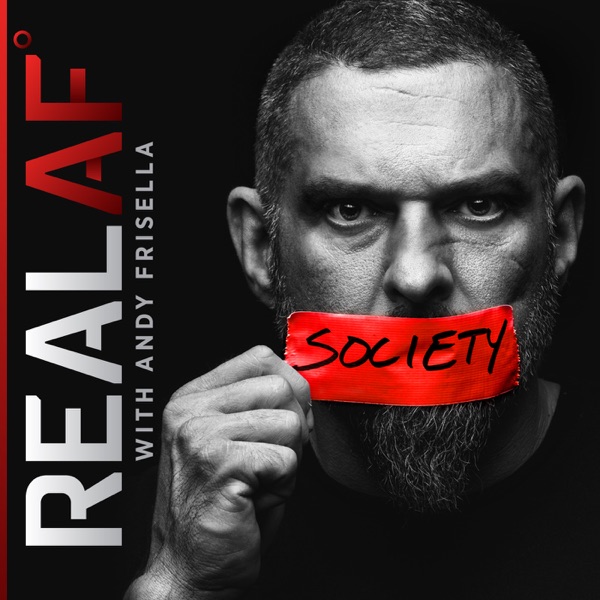
his episode serves as a deep dive into the modern landscape of public perception and political theater, led by Andy Frisella and DJ Cruz. The central premise is that the current societal environment is saturated with performance and manufactured events, leading to a profound erosion of public trust in institutional narratives. The hosts specifically dissect the recent attempt on Donald Trump's life at the White House Correspondents' Dinner, rejecting the notion that such events are simple isolated incidents in favor of a deeper, albeit cynical, analysis of institutional failures and security gaps. The core argument posited is that political figures and institutions utilize crises to manage public approval ratings, creating a cycle of theater that ultimately obscures real issues.
Beyond politics, the discussion shifts to corporate corruption, specifically highlighting findings from the Foundation for Government Accountability regarding SNAP benefit fraud where recipients were found owning high-end luxury vehicles. This serves as a springboard for the hosts to critique a welfare system they argue is designed to keep citizens dependent and struggling, thereby preventing them from scrutinizing state-sanctioned financial oppression. The hosts contend that the intentional maintenance of poverty is a strategy used by those in power to sustain their own economic gain and political leverage.
A significant portion of the episode is dedicated to personal accountability and the role of the individual in navigating this landscape. The hosts argue that unconditional loyalty to political leaders is a dangerous trap that blinds individuals to inaction. The central call to action is for citizens to prioritize their loyalty to the country over loyalty to any specific political figure, demanding concrete results rather than rhetoric. Through their analysis of a sexual misconduct lawsuit involving a JPMorgan executive, they touch on the importance of questioning the narratives presented in both legal and social spheres, suggesting that many stories today are driven by opportunities for litigation and financial gain rather than genuine pursuit of justice. Ultimately, the show emphasizes the necessity of maintaining personal standards and fighting against the 'demoralization' of the population.